Values-Based Resiliency in the Workplace
- Applying Your Values in Decision-Making
- Assume Noble Intent
- The Reputation We Build When We Always Tell the Truth
- Having a Realistic Sense of Control Over Our Choices
- How Will Choices You Make Today Help You Build Resilience for Tomorrow?
- Practicing Self- Compassion
- Building Optimism: It Takes Creativity
- Building Optimism: Be Kind
- Building Optimism: It’s Not Just a Mindset, It Is Behavior
Applying Your Values in Decision-Making
When we consciously make decisions in the workplace that align with our values, we are more likely to be able to trust our instincts, to stay focused, and to cope with discouraging events.
All of these things contribute to our sense of competence on the job, of having a feeling of mastery. Those feelings of mastery can improve our resilience on the job.
Our values are the core principles which give meaning to our lives. We have a greater chance of being satisfied and effective in our work when we can identify our own unique pattern of values and understand how they may or may not match those of the organization(s) with which we work.
Values-Based Resiliency in the Workplace in Niche Academy helps you identify your values to create values-driven work.
Assume Noble Intent
Assuming the best in others when they make a bad call leaves more room for a successful outcome. It allows you to be flexible during a negative moment. It can give you confidence that a bad situation will turn around. It protects hope.
I try to bring my best self to work. I don’t always make it. Sometimes my best fails because my boss has gone off the rails and I’ve decided after careful consideration that I can no longer trust them. They are no longer reliable. They are so obviously unreasonable that there is no way our relationship can continue to work. That I tried. I tried hard. And they. failed. me.
And when I’ve come to that conclusion, I act as if my boss is bringing their best self too. That they are bringing noble intent. And I extend grace to both of us.
I want to thank you for adding this course to Niche Academy. I have needed lessons in grounding in my position at the library lately, with reminders on being professional in times of stress. I’ve been viewing Values-Based Resiliency in the Workplace for 15-20 minutes most work mornings to center myself and hear gentle reminders about how to continue (or resume) being skillful in working with people. — VBRW learner
Find More in the Niche Academy course Values-Based Resiliency in the Workplace.
The Reputation We Build When We Always Tell the Truth
There’s no substitution for the reputation that we build when we always tell the truth – even when it’s hard on us, and even when it’s hard on our bosses. What we say is 100% within our control.
You have sole authority and discretion over what you say and what you don’t say, and to whom. If you want to be heard, tell the truth. I say this because delivering on what you say is the most powerful form of speech. When the people around you know that you mean what you say and that you do what you say you will, they will pay attention to what you say.
That includes supervisors.
“One of the biggest advantages of telling the truth at work is creating a safe space for others to open up and share their ideas.”
—Mary Dowd, The Advantages of Telling the Truth at Work
Find More in the Niche Academy course Values-Based Resiliency in the Workplace.
Having a Realistic Sense of Control Over Our Choices
Sometimes I ask: Why am I trying to exercise control over something that I don’t actually care that much about? Is it ego? Competition? A need to be right? A need to prove someone else wrong? Having a realistic sense of control over my choices can also mean not trying to control things.
Because even when you do great work and accomplish exactly what your manager asked from you, you can’t control the outcome. That doesn’t take away from your great work, or what you learned from it.
In this course, you will diagram a decision-making process about what to do when when you’ve learned some hot gossip about the library director. You’ll be able to consider some of the downstream consequences of that situation as you work within you spheres of control, influence, and concern.
The decision-making technique in this course can help with any decision. It’s a fillable form so you can keep a copy to work with later, on or off the job.
This decision-making tool is available in the Niche Academy course Values-Based Resiliency in the Workplace.
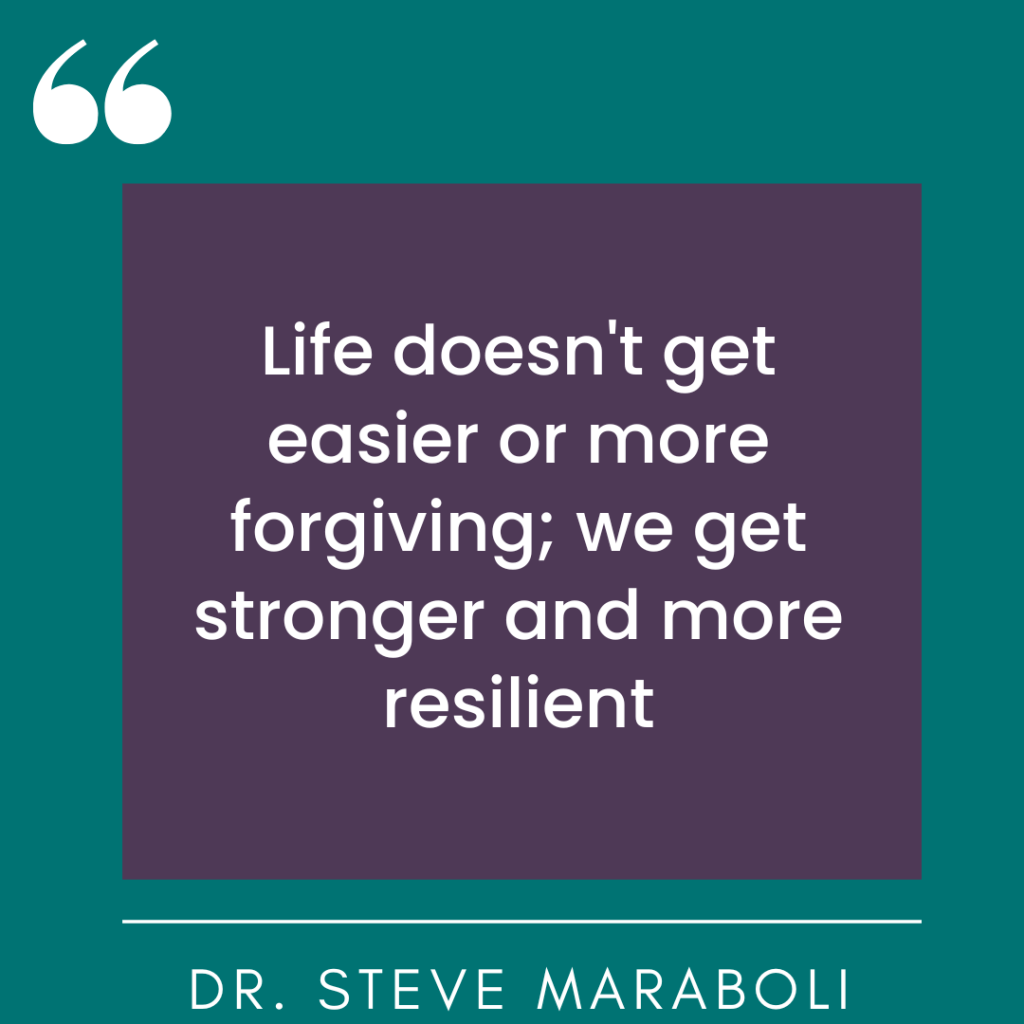
How Will Choices You Make Today Help You Build Resilience for Tomorrow?
How do your beliefs and values impact your decisions in the workplace? How will choices you make today help you build resilience for tomorrow?
In this course, you will have the opportunity to practice the resiliency skills of adaptability and optimism. We also examine what it means to have a realistic sense of control over our choices, and the limitations of that control.
These skills to increase resilience were identified by researchers at Duke University through funding by the National Institutes of Heath.
You Will Be Able To:
- Identify your work values.
- List factors that impact perspectives different than your own.
- Practice building an optimistic outlook by expressing kindness.
- Articulate a letter of self-compassion.
- Diagram a values-based decision-making process.
Values-Based Resiliency in the Workplace is available in Niche Academy
Practicing Self- Compassion
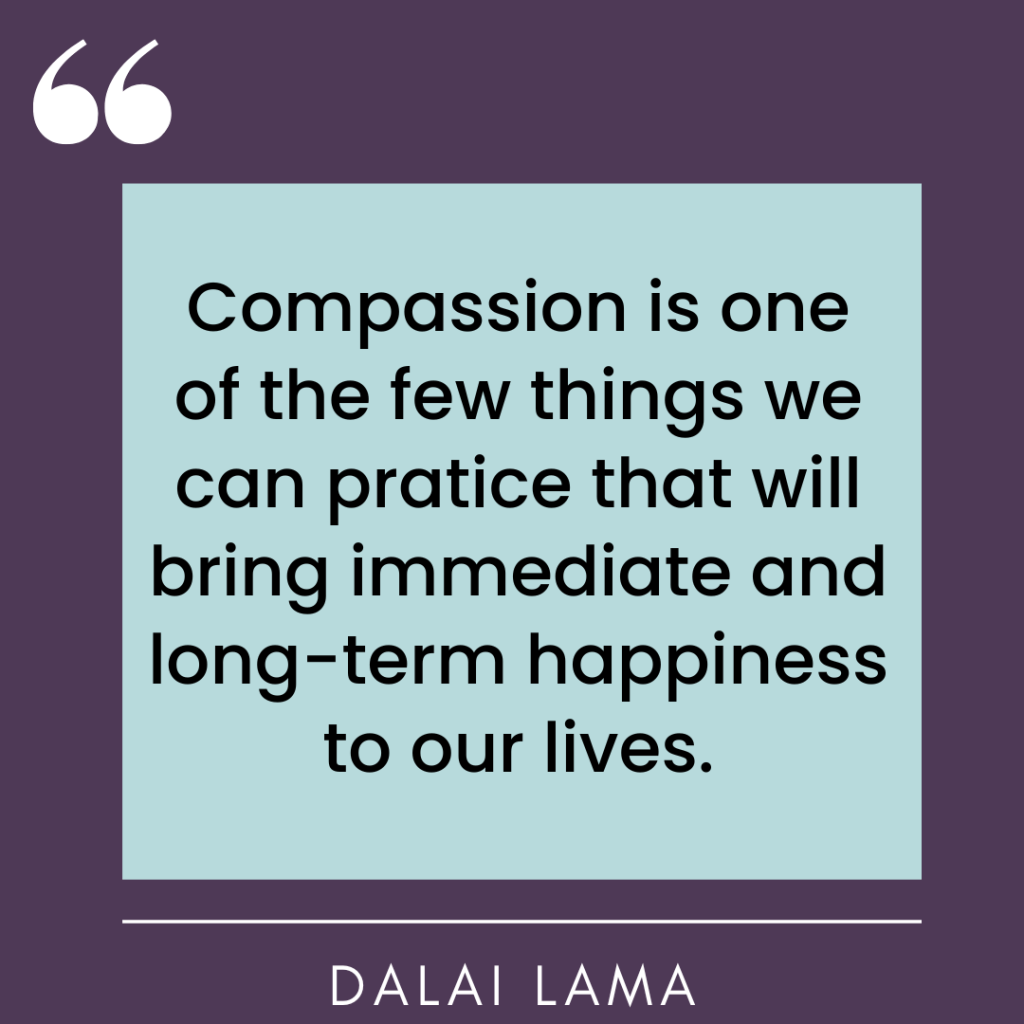
Be kind to yourself. It’s much more difficult to have compassion for your colleagues when you don’t have compassion for yourself.
When you look at events where you did not live up to your own expectations for yourself, you are building the empathy muscles to extend compassion to others.
When I’m practicing compassion for someone in my present, I’m sometimes getting ready to practice compassion for myself in the past.
A good way to practice kindness is to write a self-compassion letter. Writing a self-compassion letter is a helpful process of emotional regulation where you can construct meaning from a difficult experience.
The Self-Compassion Letter is available in the Niche Academy course Values-Based Resiliency in the Workplace.
“I’ve done a lot of professional development workshops, but nothing like the self-compassion letter. It was very powerful.” – Banking executive learner
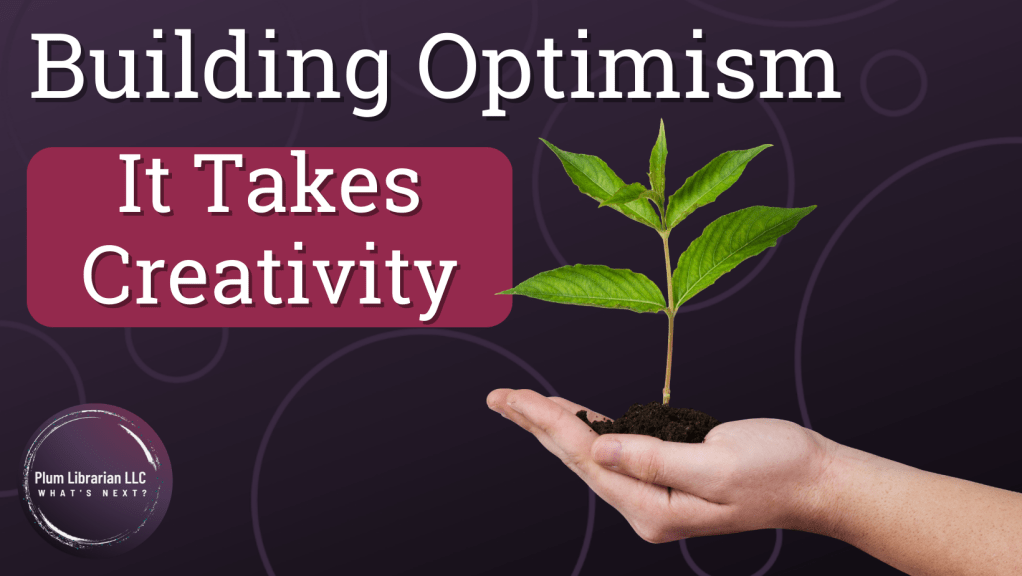
Building Optimism: It Takes Creativity
“Only 25% of Optimism Is Inherited.
Optimism Can Be Learned, Cultivated, and Encouraged.” -Robert Plomin
Optimism is not linked to intelligence, education, or wealth. And optimists bring skill sets that may surprise you. They adjust their beliefs to both their degree of control and a realistic assessment of their own abilities. People high in optimism and self-mastery are able to disengage from unsolvable tasks in order to allocate their efforts to solvable tasks.
By studying optimism and pessimism in pairs of twins who were reared together vs. twins who were adopted separately, Plomin found that only 25% of optimism is inherited.
Optimism is flexible, just like us. And it can be cultivated.
Learn more and find skills-building exercises inside Values-Based Resiliency in the Workplace in Niche Academy.
Building Optimism: Be Kind
Acts of kindness improve resiliency, increase personal happiness and peace, and promote stronger physical immunity. These benefits result from strengthening your ability to stay grounded during difficult times. The improved immune response contributes to improved physical health as well as mental health.
The practice of extending kindness to others, as well as to ourselves, builds optimism. You can cultivate kindness by appreciating someone in the workplace whom you don’t particularly enjoy. We can do that by looking objectively at that other person.
Find this skills-building exercise inside Values-Based Resiliency in the Workplace in Niche Academy:
Think about someone that you don’t enjoy working with at your current workplace, or in a previous workplace.
VBRW walks you through this exercise to help you cultivate kindness and increase personal happiness and peace.
Building Optimism: It’s Not Just a Mindset, It Is Behavior
Focusing on small successes reinforces positive expectations. It builds optimism. Gracefully receiving a small gift in the workplace such as a donut or a compliment allows us to build on that positive event, even with people whom we do not enjoy.
This was one of the best courses I have ever taken anywhere on resolving conflict respectfully. –VBRW learner
Find More in the Niche Academy course Values-Based Resiliency in the Workplace.
 Plum Librarian LLC